
WHAT WE ARE SEEING
You Can’t Build Community. But You Can Build the Conditions for It.
by Sean Hogan
04/14/2026
Why brands like Yeti, Turtlebox, On Running and Dunkin’ prove that community is an outcome, not a tactic.
Marketers love to talk about “building community.” The phrase shows up in brand decks, social strategies, and conference panels everywhere. But here’s the uncomfortable truth: You can’t build community, customers build it themselves. What brands and marketers can do is give people something worth rallying around.
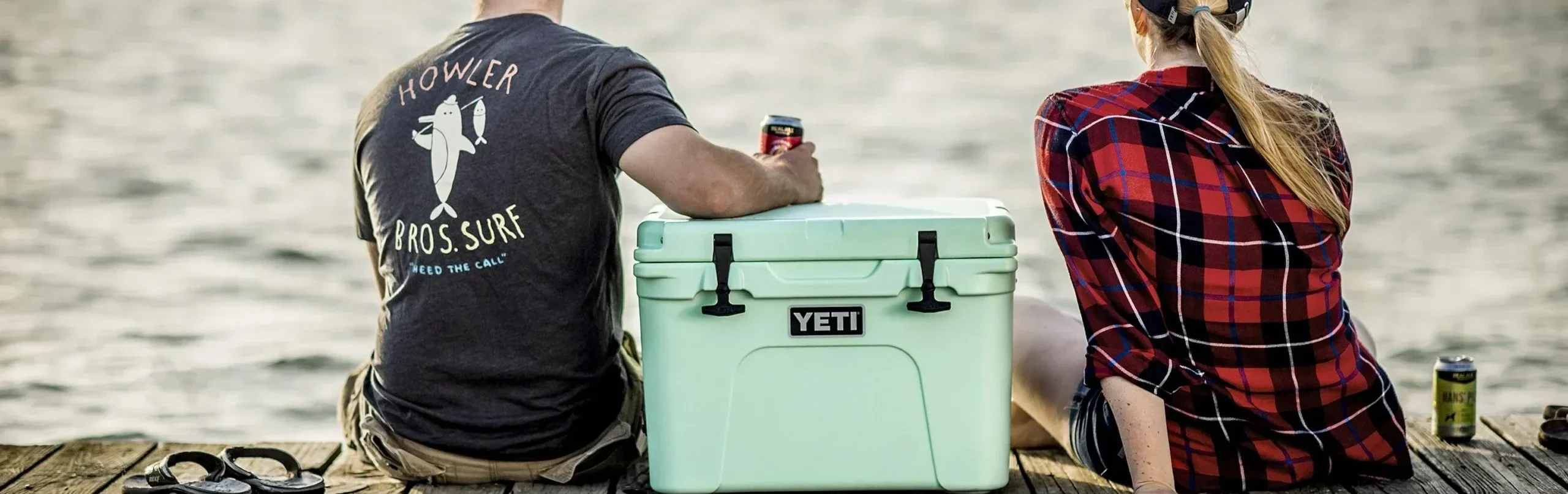
Look at Yeti, Turtlebox, and On Running. None of these brands built their success on content calendars or social media tactics alone. They built products that tapped into something deeper about their customers’ identity. Yeti isn’t really about coolers. It’s about a rugged outdoor mindset, hunting, fishing, and exploring redefined for a younger generation. Turtlebox isn’t selling speakers. It’s selling a soundtrack for our life outside, boats, beaches, campsites, and tailgates. On Running built a following around the belief that running could feel lighter, faster, and more innovative than what the legacy brands had been offering.
Each of these companies aligned two simple things:
- Customer truth + Brand truth
When brand truth meets customer truth, something powerful happens. People begin to share it, signal it, and build culture around it. That’s when community appears.
A familiar everyday example is Dunkin’. They didn’t set out to build a brand movement. It started as a donut shop serving coffee so customers could wash down their crullers and start the day. Construction workers, nurses, teachers and lawyers, and millions of people simply needed a reliable morning ritual. Over time, that ritual became something more. The Dunkin’ cup turned into a subtle signal, a quick flash in the morning that quietly says, “Same here.” That’s not a marketing tactic. That’s culture forming around a product. - The Product Starts It. The Community Proves It.
Brand communities usually begin with utility. A product solves a real need, customers adopt it, then something interesting happens, people start sharing it, talking about it, and signaling it. A community begins to form and once that happens, the brand’s role changes. Instead of broadcasting messages, the smartest brands act more like hosts curating, celebrating, and amplifying their customers’ lifestyle or activities. The community becomes the proof of authenticity no marketing campaign can fake.
The Brands That Win Understand the Loop.
The most resilient brands operate inside a simple loop:
Great product → passionate customers → visible community → stronger brand.
The product attracts people, the community gives the brand credibility, and the brand grows by listening to the people who believe in it. Marketers can’t manufacture this loop, but we can design for it. Build something real, tell a story that connects the product brand truth to the customer truth and invite participation, then have the confidence to step back and let customers shape what comes next. Products may spark movements, but communities are what keep brands alive.
P.S. At Dunkin’, coffee may be the star of the show, but donuts still make a pretty good backup band. And at DMH, it’s a reminder that the strongest brands don’t just sell products, they create rituals people want to belong to.